




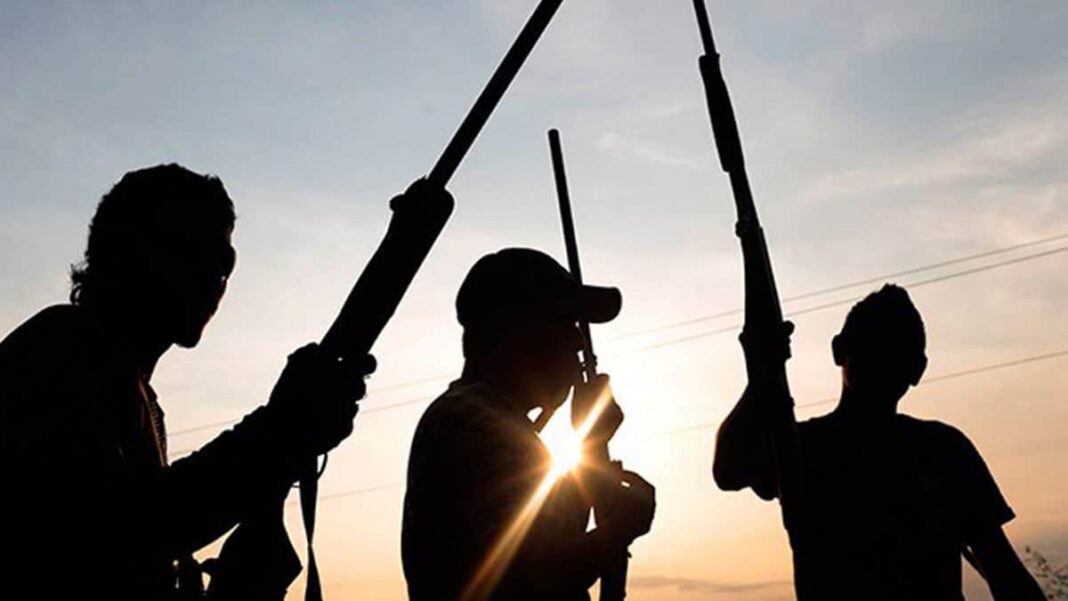
A total of 176 people who were kidnapped during a terrorist attack on Woro and Nuku communities in Kaiama Local Government Area of Kwara State have regained their freedom after spending nearly six months in captivity.
The victims were abducted on February 3, 2026, when armed attackers invaded the two communities.
Their release was announced on Wednesday by the Kwara State Government through its official Facebook page, bringing relief to families and residents who had waited for months for their return.
The state government thanked President Bola Ahmed Tinubu, security agencies and everyone involved in the operation that led to the victims’ freedom.
It described the development as a major success after months of efforts to rescue those held by the terrorists.
Although officials did not explain how the operation was carried out, reports from community members indicated that security personnel backed by military equipment entered the forest earlier on Wednesday. News of the victims’ release later spread across the affected communities.
A member of the community team that had been involved in efforts to secure the victims’ freedom, Aliyu Umar, said information available to residents suggested that the Federal Government carried out a rescue mission.
ALSO READ:
- Tinubu approves 30% to 80% pay raise for armed forces
- LASODA boosts disability inclusion, formalises 150 PWD-owned businesses in Lagos
- Tinubu commissions Africa’s first renewable energy college in Kogi
According to him, people living in nearby Wawa community reported seeing several long vehicles escorted by Army armoured tanks moving towards the forest.
He added that information reaching the community suggested the victims had already been received by government officials after the operation.
The Village Head of Woro, Alhaji Salihu Umar, also said residents received reports that a Federal Government rescue team had entered the forest to take custody of the freed captives.
He said buses, military gun trucks and other security vehicles were seen heading towards the area, although the community had not yet spoken directly with the released victims.
📢 Stay Updated — Join Our WhatsApp Channel
💬 Be Part of Our WhatsApp Community
Join our WhatsApp Channel for curated updates, breaking stories, and exclusive insights from our newsroom.
📲 Join 👉 NRTC WhatsApp Channel
Dr Abdul Ibrahim, who had been actively involved in community efforts to secure the captives’ release, also confirmed that the victims had regained their freedom.
He said arrangements were being made to transport them to Ilorin.
However, he noted that it was still unclear how they were released, adding that there was no confirmed information on whether negotiations or ransom payments played any role.
The development ends months of uncertainty that led to repeated appeals, negotiations and public demonstrations by relatives and community members.
Just days earlier, hundreds of residents, including women and youths, held a peaceful protest in Kaiama to demand stronger government action after the victims had spent 171 days in captivity.
The protesters called on the Federal Government to strengthen rescue operations and improve security in communities located around the Kainji Lake National Park, which they described as a place frequently used by criminal groups.
The release also came only a few days after families disclosed that terrorists had rejected more than ₦155 million raised through community donations, personal savings and the sale of valuable belongings.
According to the families, the kidnappers reportedly insisted they would only negotiate directly with the governments of Kwara and Niger states because victims came from both states.
Earlier reports from relatives also claimed that the abductors threatened to kill some of the captives and forced some female victims into marriage, increasing fears among affected families.
The victims were kidnapped during the February 3 attack on Woro and neighbouring Nuku communities.
The assault left many people dead, displaced several families and destroyed homes as well as public facilities.